Montgomery County Energy Summit: Paving the Way for Sustainable Building Practices
The Montgomery County Energy Summit stands as a pivotal event in the energy and building industries, designed to explore and accelerate the adoption of sustainable building practices and energy-efficient technologies. This high-profile summit serves as a key platform for professionals from across the building sector to connect, learn, and drive forward the transformation of the built environment. Whether you're an architect, engineer, energy consultant, or government official, the summit offers a wealth of knowledge, networking opportunities, and actionable insights.
As global environmental challenges intensify, the need for sustainable and energy-efficient buildings has never been greater. The Montgomery County Energy Summit directly addresses this by focusing on critical solutions and strategies that can enhance building performance, reduce energy consumption, and ultimately help achieve ambitious climate goals.
The Role of the Montgomery County Energy Summit in Building Sustainability
The Montgomery County Energy Summit has emerged as an essential event that brings together experts, practitioners, and stakeholders who are dedicated to transforming the way we design, build, and manage energy-efficient structures. It seeks to accelerate the uptake of cutting-edge technologies and solutions that contribute to the creation of high-performance buildings—those that are energy-efficient, environmentally responsible, and economically viable.
One of the key focuses of the summit is to empower building professionals to make informed decisions about the technologies, systems, and strategies they implement. By promoting collaboration across sectors, the summit helps participants stay at the forefront of industry trends and gain access to the latest innovations in energy optimization and sustainable construction practices.
Key Areas of Focus at the Montgomery County Energy Summit
The Montgomery County Energy Summit offers a comprehensive agenda that covers a wide range of topics, ensuring attendees gain a holistic understanding of sustainable building practices and energy efficiency. The summit’s core themes address everything from emerging technologies to practical strategies for achieving climate goals in building design and construction. Key areas of focus include:
1. Energy Efficiency Solutions and Best Practices
Energy efficiency is at the heart of building sustainability. As the built environment accounts for a substantial portion of energy consumption, improving energy efficiency in buildings is critical for reducing carbon emissions. The summit highlights various approaches for optimizing energy performance, including:
Energy Retrofits: Techniques to upgrade existing buildings for better energy use, such as insulation improvements, energy-efficient windows, and HVAC system enhancements.
Smart Technologies: The role of building automation systems that monitor and control energy use, optimizing performance in real-time while reducing waste.
2. Innovative Technologies for Sustainable Building Design
The summit presents the latest cutting-edge technologies that are revolutionizing the way buildings are designed, constructed, and operated. These technologies enable buildings to be more efficient, resilient, and adaptable to the needs of occupants while also reducing environmental impact. Featured innovations include:
Solar Energy Integration: Exploring the role of solar power in building energy generation and storage, including solar panels, energy storage systems, and energy management systems.
Advanced HVAC Systems: The latest in heating, ventilation, and air conditioning (HVAC) technologies that improve air quality, reduce energy consumption, and enhance overall building performance.
Sustainable Building Materials: The use of eco-friendly construction materials like low-carbon cement, recycled steel, and sustainable wood, which minimize the environmental footprint of new buildings.
3. Performance Optimization and Continuous Improvement
A key part of optimizing a building’s energy performance is continuous monitoring and adjustment. The summit emphasizes techniques and technologies for ensuring that buildings operate at their peak energy efficiency long after construction. This includes:
Energy Audits and Data Analytics: Identifying inefficiencies through energy audits and using data analytics to drive continuous improvement in energy management and building systems.
Building Commissioning: Ensuring that a building’s systems are correctly installed, tested, and functioning as intended from the moment it is occupied.
4. Achieving Climate Goals Through Sustainable Building Practices
With climate change becoming a central global concern, building professionals are increasingly tasked with aligning their projects with national and international climate goals. The Montgomery County Energy Summit provides a platform for discussing how buildings can help achieve net-zero carbon objectives and contribute to the larger environmental movement. Key topics include:
Carbon Neutral Design: The importance of designing buildings that produce as much energy as they consume, using renewable sources and incorporating energy-efficient practices.
Green Building Certifications: The role of programs like LEED (Leadership in Energy and Environmental Design) and BREEAM (Building Research Establishment Environmental Assessment Method) in driving sustainability within the built environment.
Networking and Collaborative Opportunities
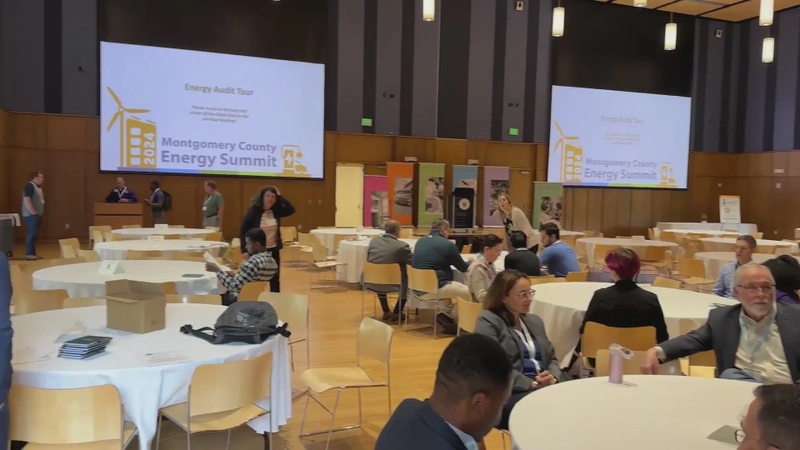
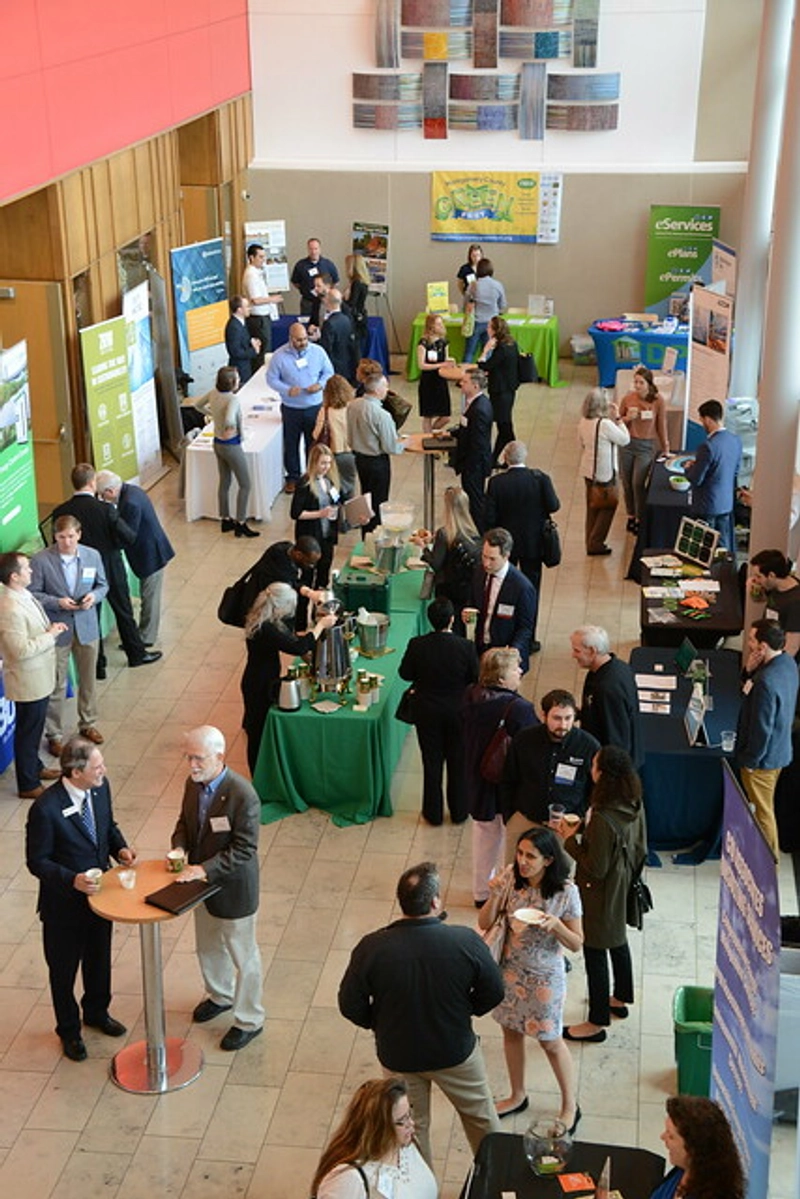
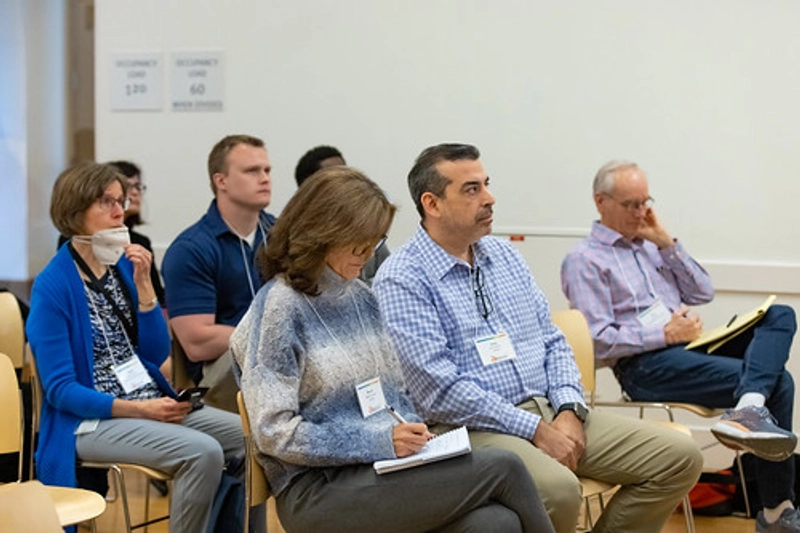
One of the greatest strengths of the Montgomery County Energy Summit is the networking opportunities it offers. With thousands of industry professionals in attendance, participants have the chance to connect with key stakeholders from across the building and energy sectors. The summit’s format includes various networking sessions, roundtable discussions, and interactive workshops, designed to facilitate collaboration and foster partnerships.
Professionals attending the event can expect to meet and collaborate with:
Industry Leaders and Innovators: Who are shaping the future of sustainable buildings and energy-efficient technologies.
Policymakers and Government Officials: Who play a critical role in developing policies, building codes, and regulations that support green building initiatives.
Technology Providers: Who offer cutting-edge solutions that can drive energy efficiency and sustainability in buildings.
Energy Consultants: Who bring their expertise to help organizations implement the right strategies for optimizing energy use and minimizing environmental impact.
By engaging with these industry experts, attendees can gain valuable insights, share best practices, and build lasting professional relationships that extend well beyond the summit.
Empowering the Future of Sustainable Building
The Montgomery County Energy Summit is more than just a conference—it’s a call to action for professionals across the building industry to embrace sustainability, adopt energy-efficient solutions, and lead the way in transforming the built environment. As the world confronts mounting environmental challenges, events like the Montgomery County Energy Summit play a crucial role in educating and empowering building professionals to create a more sustainable, energy-efficient future.
Through its focus on collaboration, innovation, and knowledge-sharing, the summit provides a roadmap for professionals who are committed to making a positive impact on the environment, while also achieving the long-term benefits of improved energy performance, cost savings, and enhanced building value.
As the industry moves toward greater sustainability and energy efficiency, the Montgomery County Energy Summit stands at the forefront of driving meaningful change in building practices, helping shape a greener, more sustainable future for communities and the planet alike.